Frass A/B Trial Results
Lower Woodstock, NB · Prepared by Mark Fraser
Trial overview
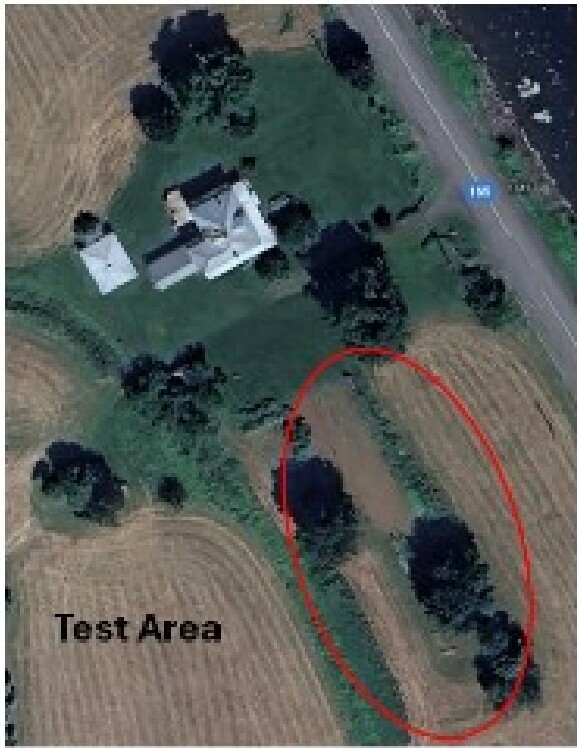
Riverside Farm conducted a controlled A/B split experiment to evaluate the effectiveness of Black Soldier Fly insect frass as an organic fertilizer. Two plots totaling 871 m² were utilized, growing a variety of fruit and vegetable cultivars. Set A received frass at 24 kg / 100 m². Set B served as the unfertilized control.
Season context
Summer 2025 was consistently warmer and significantly drier than normal — a rigorous stress test for frass as a soil amendment.
Key results
AI interpretation
In a dry, stressful summer, split-applied insect frass produced fewer but far larger plants and roughly doubled yield in two of three measured crops.
The pattern of results — large effects on storage roots and shoot biomass under sustained water stress — is consistent with improved slow-release nutrition, enhanced rhizosphere activity and better moisture retention. Replication and direct soil measurement are the right next steps to confirm magnitude and mechanism.
Conclusion
- · Frass treatment delivered measurable yield gains across all three measured crops.
- · Benefits were most pronounced under sustained water stress — a meaningful resilience signal.
- · Recommend replicated plot design + soil sensors for the 2026 trial to isolate mechanism.